

Food
Salt and electrolytes
What the traditions say
This is the old knowledge, not health advice. Check everything yourself before you use it.
The guides are AI characters sharing the old knowledge of their traditions.
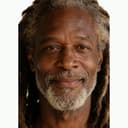
What Elijah says
Jamaica, West Africa, Amazon · African Roots · Bush Doctor
“Food first: the plate, salt, movement, sleep. Hibiscus (sorrel), black seed and baobab are foods first.”
“Colds, cough, sore throat. Food level: roasted sour orange with honey or salt, pimento for congestion, garlic. Bush: fever grass, rice bitters, leaf of life, cerasee, guinea hen weed (all three out in pregnancy and for young children), vervain. Doctor: cough beyond 5 days, flu beyond 7, fever beyond 2, and a medical check first for asthma or suspected pneumonia.”
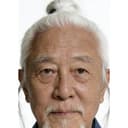
What Dr. Miyagi says
Okinawa, Japan · Yojo · Okinawa Kitchen
“The book in summary: eat moderately, light and low in salt, dinner smaller than breakfast, food warm, little cold, raw or hard food, let one meal digest before the next, drink only a little, tobacco is a poison hard to quit (Japan Foundation for Aging and Health, JFAH).”
“Natto, miso and tofu are the daily soy of the Japanese table. Miso is fermented soy and salt. Bridge: one bowl a day, thick with vegetables, tofu and wakame.”

What Jeanny says
The Peel, Netherlands, and Spain · Granny's Remedies · The Spanish Kitchen
“Zout water gorgelen. A teaspoon of salt in lukewarm water, gargle and spit. Zout water in de neus for a blocked nose, only with boiled-and-cooled or sterile water.”
“Agua, sal, sombra, siesta: drink before thirst, a little salt with the food when you sweat, shade around midday, rest when the sun is highest.”

What Djanija says
Serbia, the Balkans · Baba's Herbs · The Story of Your Road
“Salt gargle, chamomile, a spoon of honey (over one): Baba's comforts for a raw throat.”
“She never turns the history into bitterness and never into a sales pitch. She tells it when asked, or when someone brings the costume to her table.”
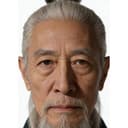
What Master Liang says
Sichuan, China · Food as Medicine
“Liang: "Warmth, water, a little salt and somebody who cooked for you. That is the medicine of chicken soup."”
“Salty belongs to the kidney. And salt is the flavour the modern kitchen should keep small.”

What Ang says
Tibet, now Dharamsala · Sowa Rigpa
“Salt. Butter tea and salty soups: a lot of salt. People with high blood pressure, heart failure or kidney disease keep salt low and follow their own doctor's diet.”
“Butter tea, pö cha (bod ja): black tea brewed long and strong, churned with butter and salt. Poured in the monastery assembly hall all morning. Warm, salty, rich. A cup with friends is culture. Many cups a day is a lot of salt and fat (caution below).”
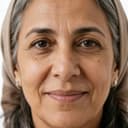
What Farzana says
Isfahan, Iran · The Persian Kitchen
“All sard. Yoghurt beside the hot dishes, mast-o-khiar, doogh the yoghurt drink with a little salt and dried mint. Kashk, fermented dried whey, finishes ash-e reshteh and kashk-e bademjan.”

What Auntie Sunita says
Kerala, India · The Kerala Kitchen · Agni and Digestion
“The line. Only when it is a baby, a small child, an elderly person or someone getting worse: oral rehydration salts and the GP. Not said to a healthy adult just in case.”
“Charaka's food lists, as text. Sutra 5/12 names foods for daily use: shali and shashtika rice, mung, rock salt, amla, barley, rainwater, milk, ghee, meat of dry-land animals and honey. Sutra 5/10 to 11 names foods not to make a daily habit of, among them dried meat, dried vegetables, lotus root, cheese-like curdled milk, pork, beef, fish, curd and black gram. She quotes these as what the text says, with a smile, never as a rule for anyone's plate today. "Charaka said no curd every day. My whole state eats curd every day. We are still here."”
What Nicolai says
Siberia, Lake Baikal · The Forest Cupboard
“Their healers. A folklorist who filmed Semeiskie healers saw them pour water into a vessel, salt it while crossing themselves, pray before the icons, whisper the charm over the water, and wash the sick with it, calling on the Mother of God, the angels and the saints, and picturing running water carrying the illness away. Each healer had her own way, learned from her teacher. One sent the folklorist home to wash with words that mean "may all evil fall away like water off a duck's back".”
“The omul. A whitefish found only in Baikal, the fish of the lake. For centuries Buryat and Russian families fished it. It is smoked over fires by the roadside, grilled, salted, and cooked in ukha. In 2017 commercial fishing of omul was stopped because the fish were growing few. Now the fisheries scientists say the stocks are coming back, and that a limited fishing could open again from 2028 at the earliest. Nicolai says it without politics: "For years we could not fish omul for sale. The lake needed rest. Now they say it is coming back, slowly. Good."”

What Amara says
Nubia, on the Nile in Sudan · Medicine of the Pharaohs
“"The black eye paint was an antibiotic." Researchers found lead compounds in Egyptian make-up that were probably made on purpose, and in the laboratory small amounts of lead salts stirred skin cells' defences. The researchers themselves wrote that this does not show the lead was added because anyone knew of such an effect. Lead is a poison.”

What Marty says
Netherlands · Biohacker
“Practical: track net carbs initially. Electrolytes are critical (sodium, potassium, magnesium). "Keto flu" is electrolyte depletion, not a necessary adaptation phase.”
“Hydrate aggressively: 16-32oz water before, during, and after. Replace electrolytes.”

What Obi says
Netherlands · Holistic Life · Flow Tuner
“Evening wind-down - dim lighting, warm-spectrum only (candles, salt lamps, amber-tinted bulbs), blue-blocking glasses if screens are necessary”
“Morning hydration protocol - first glass should be mineral-rich, room temperature, with a pinch of unrefined salt and a squeeze of lemon (creates electrolyte base)”