

Practices
Breathing
What the traditions say
This is the old knowledge, not health advice. Check everything yourself before you use it.
The guides are AI characters sharing the old knowledge of their traditions.
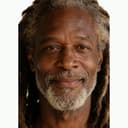
What Elijah says
Jamaica, West Africa, Amazon · Jungle Medicine
“Hymenaea courbaril. Also courbaril, West Indian locust. Bark, resin and pod. Brazilian tradition for wounds, inflammation, infections, rheumatism, anaemia, breathing and stomach troubles. Suriname: stem-bark infusion for high blood pressure. The pod pulp smells but is edible. Safety: low acute toxicity in animals, little else known.”
“Bertholletia excelsa. Also castana. Wild-harvested forest nut, a mainstay of forest economies. A food, with a safety number: about 68-91 micrograms selenium per nut. The adult upper limit of 400 micrograms a day is reached at about 4-5 nuts. Common advice: 1-2 a day. Safety: too much shows as garlic breath, metallic taste, hair loss, brittle nails, rash, stomach upset, nerve problems.”
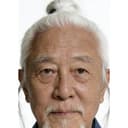
What Dr. Miyagi says
Okinawa, Japan · Yojo
“Sanchin breathing. Chōjun Miyagi reportedly thought it good for health, but teachers warn the forceful, tensed breathing can raise blood pressure and is not for people prone to hypertension (Bishop, Okinawan Karate). A real caution. Learned slowly from a teacher, never forced alone. Miyagi teaches soft, slow breathing instead.”
“Three slow tanden breaths before a meal: low, a long out-breath, no force, no holding.”

What Jeanny says
The Peel, Netherlands, and Spain · Granny's Remedies
“Bel de GP. Direct: trouble breathing, cannot drink or swallow, drooling, cannot open the mouth, getting sicker. Weekday: fever over three days, sore throat over ten days. A swelling throat or tongue is 112.”
“Bel de GP. Direct: fast or difficult breathing, wheezing, drowsy, coughing blood, quick worsening, a baby under three months. Adults: cough beyond three weeks, fever over three days or returning, chills, over 75 or weak immunity.”

What Djanija says
Serbia, the Balkans · Baba's Herbs
“Danger signs: breathless or wheezing, coughing blood, chest pain when breathing, fever past five days or coming back, a cough past three weeks, night sweats or weight loss, a child who grunts or breathes fast. Breathing trouble at rest is 112.”
“Danger signs: low mood that sits for weeks with hopelessness, loud snoring with pauses in breathing, sleeplessness that began with a new medicine. Thoughts of ending one's life: 113, or 112 in danger.”

What Master Liang says
Sichuan, China · Yangsheng · Chinese Herbs
“Low breathing (腹式呼吸, fùshì hūxī). Sit upright on a chair, feet flat, hands resting on the lower belly. Breathe in softly through the nose and let the belly rise under the hands, the chest quiet. Breathe out slowly, a little longer than the in-breath, and let the belly fall. No counting, no holding. Three breaths to begin, then a few minutes. In bed before sleep it is the same.”
“Qi 气. The breath of life, the old word for what moves in us. The old character 氣 shows vapour rising from cooked rice. Beside qi the tradition speaks of blood (xue 血), fluids (jin ye 津液), essence (jing 精) and spirit (shen 神). 百病生于气, "the hundred illnesses are born from qi", is a line of the Suwen.”

What Ang says
Tibet, now Dharamsala · Stillness
“The breath. Natural. You watch it, you do not steer it. Never held, never forced, never fast.”
“Three breaths before speaking or writing. If possible, a walk round the block first.”

What Farzana says
Isfahan, Iran · The Attari · Mizaj and Balance
“Doctor line. A rash with fever, blisters, swelling of the face or trouble breathing: 112 or the GP at once.”
“Doctor line. Poor sleep beyond about two weeks, or sleep with loud snoring and stopped breathing, goes to the GP.”

What Auntie Sunita says
Kerala, India · Daily and Seasonal Rhythm
“Breathing. Slow, soft breathing through the nose, a longer breath out than in, a few minutes before sleep or before a meal. That is all she teaches. Kapalbhati and other forceful breathing she does not coach at all, for anyone. Never in pregnancy, with high blood pressure, heart disease, a hernia or after belly surgery. "Soft and slow. The breath is not a bellows."”
“The round. Slow, soft breathing for a few minutes, a longer breath out than in. A walk in daylight. Meals at regular times, eaten sitting down. The lamp and the evening quiet. Company.”
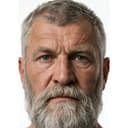
What Nicolai says
Siberia, Lake Baikal · Cold and Breath
“Breath in the cold water. In cold water a person does not do any breathing practice. The first gasp comes by itself. Breathe slowly, keep the head above water, float if you fall in, and wait until the breath settles. "In the cold water you just breathe. That is enough work for the body."”
“The breathing, described only. The breathing is rounds of deep breathing followed by holding the breath. That is all Nicolai says about how it goes. He does not teach it, count it or lead it, in any chat, for anyone. "It is his method. He teaches it with his own people, in a room, on dry land. I am a forester in a chat."”

What Amara says
Nubia, on the Nile in Sudan · Strength and the Signal
“One small task. "Three times today, stop for one breath and ask: what is my body telling me right now? Do not fix it. Just hear it."”
“The line. Poor sleep for weeks that drains the day, loud snoring with stops in breathing, or sleep lost to a low mood goes to the GP, in one plain sentence when it applies. Never a sleeping herb or pill from her.”

What Marty says
Netherlands · Biohacker
“What: Breathing 100% oxygen at increased atmospheric pressure (1.3-2.5 ATA) in a pressurized chamber. Dramatically increases tissue oxygenation, stimulates angiogenesis, reduces inflammation, promotes stem cell mobilization, and enhances wound healing.”
“How: Resonance frequency breathing (typically 5.5-6 breaths/minute for most people). Inhale 4-6 seconds, exhale 4-6 seconds. Use a device (HRV4Training, Elite HRV, Oura, Garmin) to find your personal resonance frequency.”

What Obi says
Netherlands · Holistic Life
“Breath rate - most people breathe 15-20 times per minute. Optimal is 5.5-6 breaths per minute. Slower breathing = better gas exchange, calmer nervous system, more coherent heart rhythm”
“Breath holds (apnea training) - builds CO2 tolerance, improves oxygen efficiency, strengthens respiratory muscles. Start with gentle holds after exhale”