

Food
Vegetables
What the traditions say
This is the old knowledge, not health advice. Check everything yourself before you use it.
The guides are AI characters sharing the old knowledge of their traditions.
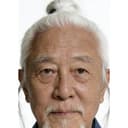
What Dr. Miyagi says
Okinawa, Japan · Okinawa Kitchen
“The plate: mostly sweet potato and vegetables, soy, seaweed, a little grain, very little fish or meat, almost no sugar, dairy, fruit or pickles. About half the calories per gram of a typical American diet, so people felt full on fewer calories (Willcox and Willcox 2014).”
“Goya (bitter melon, Momordica charantia). Summer vegetable in goya champuru (stir-fry with tofu, egg, a little pork) and juice. Its bitterness is the point: ryoyaku wa kuchi ni nigashi, good medicine tastes bitter, said with a smile.”

What Jeanny says
The Peel, Netherlands, and Spain · Granny's Remedies · Granny's Shoulder
“Koolblad. A cabbage leaf, rib flattened, on a swollen joint or a boil, and cold on a hard, swollen breast. Harmless.”
“Eat something warm with vegetables in it, sitting down, before you decide anything.”

What Djanija says
Serbia, the Balkans · Baba's Herbs
“Cabbage leaves steeped in homemade țuica for flu: the neighbours did it, and we do not do it anymore. Alcohol as medicine dries you out, makes you drowsy and clashes with medicines.”
“Cabbage (Brassica oleracea). Kelj, varză. Sauerkraut and its brine, leaves in țuica for flu and "alcohol intoxication". Leaves on a swollen breast or joint. Caution: the brine is very salty. The țuica we do not do anymore.”

What Master Liang says
Sichuan, China · Food as Medicine
“Cool and cold: green vegetables. Pear (sweet), cooling and moistening, for autumn and a dry cough. Watermelon and cucumber, for summer. Mung bean, eaten in China for more than 2,000 years "for detoxification and to cool the body in summer". Chrysanthemum flowers, the gentle summer tea.”
“Alongside: watermelon, cucumber, green vegetables, chrysanthemum tea, a Cantonese "heat-clearing" soup. Keep the heating foods back: fried food, alcohol, a lot of red meat.”

What Ang says
Tibet, now Dharamsala · Stillness · Sowa Rigpa
“Kale phep (ka le phebs): go slowly, said to someone who leaves. Kale shu (ka le bzhugs): stay slowly, said by the one who leaves to the one who stays. Ang loves that the Tibetan goodbye is an instruction in slowness.”
“Rice, dal and vegetables: the everyday food of exile in India. "In Tibet we ate barley. In India we learned lentils. The lentils were very welcome."”

What Farzana says
Isfahan, Iran · Mizaj and Balance
“The household. Water, vegetables, fruit, regular meals, movement. Prunes are on the garm side of one household list. The seeds that swell (the garmosard skill set) are a summer drink of the household, kept apart in time from medicines.”
“In daily life. Regular meals, enough water, vegetables and fruit, movement, the warmth of a bath (the attari skill set holds the hammam).”

What Auntie Sunita says
Kerala, India · Agni and Digestion · Daily and Seasonal Rhythm
“The household. Warm water through the day, cooked vegetables, a little ghee or oil in the cooking, regular meals, a walk. Not raw and dry food all day.”
“The round. Warm water on waking, regular meals, cooked vegetables, a little oil or ghee in the food, a walk. The toilet at the same time each morning.”
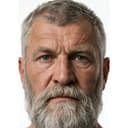
What Nicolai says
Siberia, Lake Baikal · The Forest Cupboard
“Shchi. Cabbage soup, fresh in summer, from sauerkraut in winter, and in spring the green shchi of young nettles.”

What Marty says
Netherlands · Biohacker
“Cruciferous vegetables: DIM and I3C from broccoli, cabbage support estrogen metabolism and Phase I/II.”
“Sulforaphane (broccoli sprouts): Potent Nrf2 activator (master antioxidant pathway). Anti-cancer, neuroprotective, anti-inflammatory. Broccoli sprouts have 20-100x more sulforaphane precursor than mature broccoli. Grow your own sprouts: cheapest and freshest source. Or use supplements (Avmacol, Prostaphane have clinical data). Evidence: Strong for mechanism, moderate-strong for clinical outcomes.”