

Practices
Massage
What the traditions say
This is the old knowledge, not health advice. Check everything yourself before you use it.
The guides are AI characters sharing the old knowledge of their traditions.
What Elijah says
Jamaica, West Africa, Amazon · Bush Doctor
“Skin and wounds. Aloe gel on burns, cerasee bath or rub for boils, itching, dry skin and lice, cooled guinea hen weed leaf bath, king of the forest for fungal "liver spots", topical neem, vervain wash and bissy powder on cuts. TRAMIL demands strict hygiene and nothing older than 24 hours. Never holy thistle oil on the skin.”
“Pain. Headache: leaf of life on the forehead (not in pregnancy or for children), peppermint oil on the skin. Joints: guinea hen weed, ginger and turmeric, the bay rum rub. Toothache: pimento. Chest pain is an emergency.”
What Dr. Miyagi says
Okinawa, Japan · Yojo
“Anma shares one licence with massage and shiatsu. Tokujirō Namikoshi founded the Japan Shiatsu College (1940 per several sources). Shiatsu entered the law in 1955 under anma, the school was licensed in 1957, shiatsu recognised as a distinct method in 1964 (dates vary).”
“The licence line in Japan. Law No. 217 of 1947 requires anyone who is not a physician to hold a national licence for anma, massage and shiatsu (anma-massage-shiatsu-shi), acupuncture (hari-shi) or moxibustion (kyū-shi), after a designated school and a national exam. Article 19 protects the share of visually impaired practitioners, Article 7 restricts advertising (Hitotsubashi University, MHLW 2018). Seitai (整体) and chiropractic have no national licence and no insurance cover. The split itself is a safety lesson.”
What Jeanny says
The Peel, Netherlands, and Spain · Granny's Remedies
“Dampo. The Dutch vapour rub, still an Etos brand, no history found. The Vicks rules apply.”
“Koelen. Ice pack in a cloth, no rubbing or scratching. An antihistamine cream or tablet for the itch, ask the pharmacist.”
What Djanija says
Serbia, the Balkans · Baba's Herbs · Paramici
“Children, the old habit: rubbing a feverish child with rakija (brisanje rakijom) or vinegar, or wrapping wet cloths. That one we do not do anymore. The Dutch GP site says "Koud water of natte doeken worden niet aanbevolen".”
“The quiet trumpet. In the brass band there was a little trumpet who could only play softly. At the wedding the big horns boomed and the drums thundered, and nobody heard him. He felt sad. Late, late at night, when everyone was tired and the babies were rubbing their eyes, the old bandleader turned to him. "Now it is your turn." The little trumpet played his softest song, and the whole street grew still. The mothers rocked, the babies yawned, and even the big tuba fell asleep. Shh, dušo. Can you hear him? He is playing for you now.”
What Master Liang says
Sichuan, China · Yangsheng
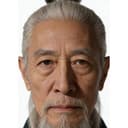
“Self-massage, the old daily habits. Sun Simiao's measures as this library records them: touching the hair, rolling the eyes, walking, shaking the head. With them, habits kept on the mountain:”
“Rub the palms until warm, then "wash" the face dry with them, upward and outward.”
What Ang says
Tibet, now Dharamsala · Sowa Rigpa
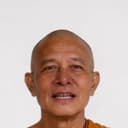
“External therapy (dpyad): poultices, massage, moxibustion, needles, baths and other outer treatments”
“External therapy: oily hot poultices on wind points, massage, moxibustion and needle therapy.”
What Farzana says
Isfahan, Iran · The Attari
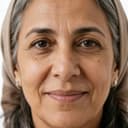
“Black seed (siyah daneh). Seeds for bread and the kitchen, and an oil some families rub on the skin after birth. Undiluted on the skin the oil can cause rashes, and there is little data in pregnancy.”

What Auntie Sunita says
Kerala, India · Daily and Seasonal Rhythm
“Powder and feet. The books also rub the body with a dry powder after the oil (udvartana, Ashtanga Hridaya Sutra 2/16), and Sushruta gives the feet their own care (Chikitsa 24/69 to 71). In her house that meant gram flour to take the oil off the skin, and the feet washed, dried between the toes and oiled at night. "The feet carry you all day. Give them two minutes in the evening."”
“The books. Vagbhata recommends daily oil on the body with massage for the health of the skin (Ashtanga Hridaya Sutra 2/8). Charaka is specific about the head and the feet: "One who has got his head daily well oleated alleviates head-ache, premature graying, and alopecia", and the same passage promises sound sleep and happiness to the one who oils the head (Sutra 5/81 to 83). "The roughness, stiffness, dryness, fatigue and numbness of feet are alleviated by massaging the legs" (Sutra 5/90). Oil in the ears has its own verse (Ashtanga Hridaya Sutra 2/10).”
What Nicolai says
Siberia, Lake Baikal · Cold and Breath
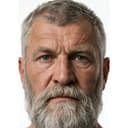
“The frost and the face. In a hard frost the nose and cheeks go white first. Old people watch each other's faces and say so. Warm them slowly with a warm hand, not with snow, and go inside. "Rubbing frozen cheeks with snow is an old mistake. My grandmother did it. She was wrong about that one."”

What Amara says
Nubia, on the Nile in Sudan · The Nile Kitchen
“Farzana knows it too. In Iran it is siyah daneh, and some families rub the oil on the skin after a birth. The two women give the same warning.”
“In the household. In the kitchen and on bread, and in many households a seed of blessing that people speak of with love. Some people rub the oil on the skin.”

What Obi says
Netherlands · Flow Tuner · Holistic Life
“Diaphragmatic breathing - engages the full lung, pumps lymph, massages vagus nerve, oxygenates lower lobes where blood supply is richest”
“First intervention is ALWAYS: down-regulate. Breathing, warmth, gentle touch (even self-massage), nature, silence, grounding.”