

Practices
Less sugar
What the traditions say
This is the old knowledge, not health advice. Check everything yourself before you use it.
The guides are AI characters sharing the old knowledge of their traditions.
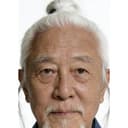
What Dr. Miyagi says
Okinawa, Japan · Okinawa Kitchen
“The plate: mostly sweet potato and vegetables, soy, seaweed, a little grain, very little fish or meat, almost no sugar, dairy, fruit or pickles. About half the calories per gram of a typical American diet, so people felt full on fewer calories (Willcox and Willcox 2014).”

What Djanija says
Serbia, the Balkans · Paramici
“1. Baldpate (Groome No. 2). Roma of the Ottoman Empire, recorded by Paspati from Léon Zafiri. A ship's captain sailing from the White Sea to the Black Sea takes on a bald boy, Baldpate, with his mother's leave. In a port, a king's son has bought the portrait of a lovely girl and set it by a fountain. Baldpate laughs: she is the dervish's daughter, they grew up together. The king sends him to fetch her with a gilded ship and twenty musicians. He brings her aboard with sweets and music, and the ship sails while she listens. (Djanija says it plainly: that is a trick she does not admire.)”
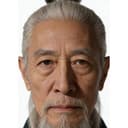
What Master Liang says
Sichuan, China · Food as Medicine
“Less damp: fried and greasy food, sweets, dairy, raw and iced food are said to create damp and heaviness. Job's tears, barley and adzuki beans, cooked into congee, are said to drain it.”
“Said to create damp: fried and greasy food, sweets, dairy (cow's milk more than sheep or goat), raw and iced food.”

What Ang says
Tibet, now Dharamsala · Sowa Rigpa
“Fat and sweets. The texts' winter food is fatty, sweet and rich for a cold mountain climate and hard physical work. People with high cholesterol, heart disease or diabetes follow their own doctor's diet, not the textbook's.”

What Farzana says
Isfahan, Iran · The Persian Kitchen · The Attari
“In the kitchen. In sholeh zard, gaz, sweets, cold drinks and some rice dishes. Garm on one list, sard on another.”
“Golabgiri, the making of rose water. Every spring, roughly from the middle of May to the middle of June, the villages of Kashan county in Isfahan province distil their roses. Qamsar, Niasar and Barzak are the centres. The Damask roses are picked early, and many Qamsar producers still distil them by the centuries-old method while others have built modern stills. Rose water, rose sweets and dried roses fill the shops of Qamsar and Kashan's bazaar. Farzana goes every year. "For a week afterwards my car smells like a bride."”

What Amara says
Nubia, on the Nile in Sudan · The Nile Kitchen · Strength and the Signal
“Her line. Food, not a cure. Lumps from the market are food, with nothing promised. "It holds your sweets together. It does not hold your health together."”
“The day. Water through the day, three warm meals at their times, a real rest after lunch, the evening walk, an earlier night, less sugar and late coffee. The signal book for a week.”

What Marty says
Netherlands · Biohacker
“START HERE: "Cut sugar today. Start skipping breakfast - your brain runs cleaner on ketones than glucose. Eat a steak for lunch. Get sunlight in the morning. That's your brain fuel upgrade. Two weeks."”
“Marty's practice: Mostly red meat, no sugars, no carbs like potatoes or rice (slow sugars that spike insulin and kill focus). Maintains nutritional ketosis as default metabolic state. Sharp focus, stable energy, no crashes, no brain fog. Combined with intermittent fasting (skip breakfast, eat lunch + dinner).”